Car Comparison Guide
Introduction
I created it to aid you in finding the best car in each class. Be aware though that the fastest is not necessarily the best. As they say power is nothing without control and that applies to rallying as well. You may find one car setting a slightly better stage time but overall it could be the worse choice, if it feels a bit uncontrollable and you end up taking too much risk while driving it. Rally is about consistency as if you can't make it to the finish in one piece, you're out. To help you out making the right decision before buying a car I added my personal impressions on how each one handles. You can test any car in custom events where they're fully upgraded by default.
Notes
- Everything is up-to-date as of 26 Oct, 2017.
- Your mileage may vary depending on assists, vehicle setup, controller type and driving style.
- Was using a Logitech G27 with manual sequential transmission and all assists off.
My wheel settings. Also available from the Workshop. - All the cars were fully upgraded and tuned.
- I've completed a Masters Championship with every car to have a good general feel for them.
- Picked the stage Greece - Abies Koiláda because it offers good variety of tight twisty sections and fast straights. It's been the practice ground for me while tuning vehicle setups, so I'd completed more than 100 runs here before recording these videos.
- The runs featured are always the best of 3 attempts (not counting restarts). Results were mostly within 1 second to each other and world records at the time of posting.
- While driving consistency was the main focus, meaning I tried to push hard or lift off and coast through the same sections each time. Obviously in rally no two runs can be identical.
- ★★★☆☆ represents the handling difficulty (★★★★★ is the most challenging).
- I don't endorse hot lapping as you miss the essence of rally when doing so.
- English is not my first language.
- Watch videos in 1080p60.
Vehicle Setup
I'll try to keep things simple here as this is not the main focus of this guide. What I suggest can be applied to any car and doesn't require you to unlock the advanced setup upgrade (apart from ride height). All the specific vehicle setups that I actually use can be found in my Workshop Collection.
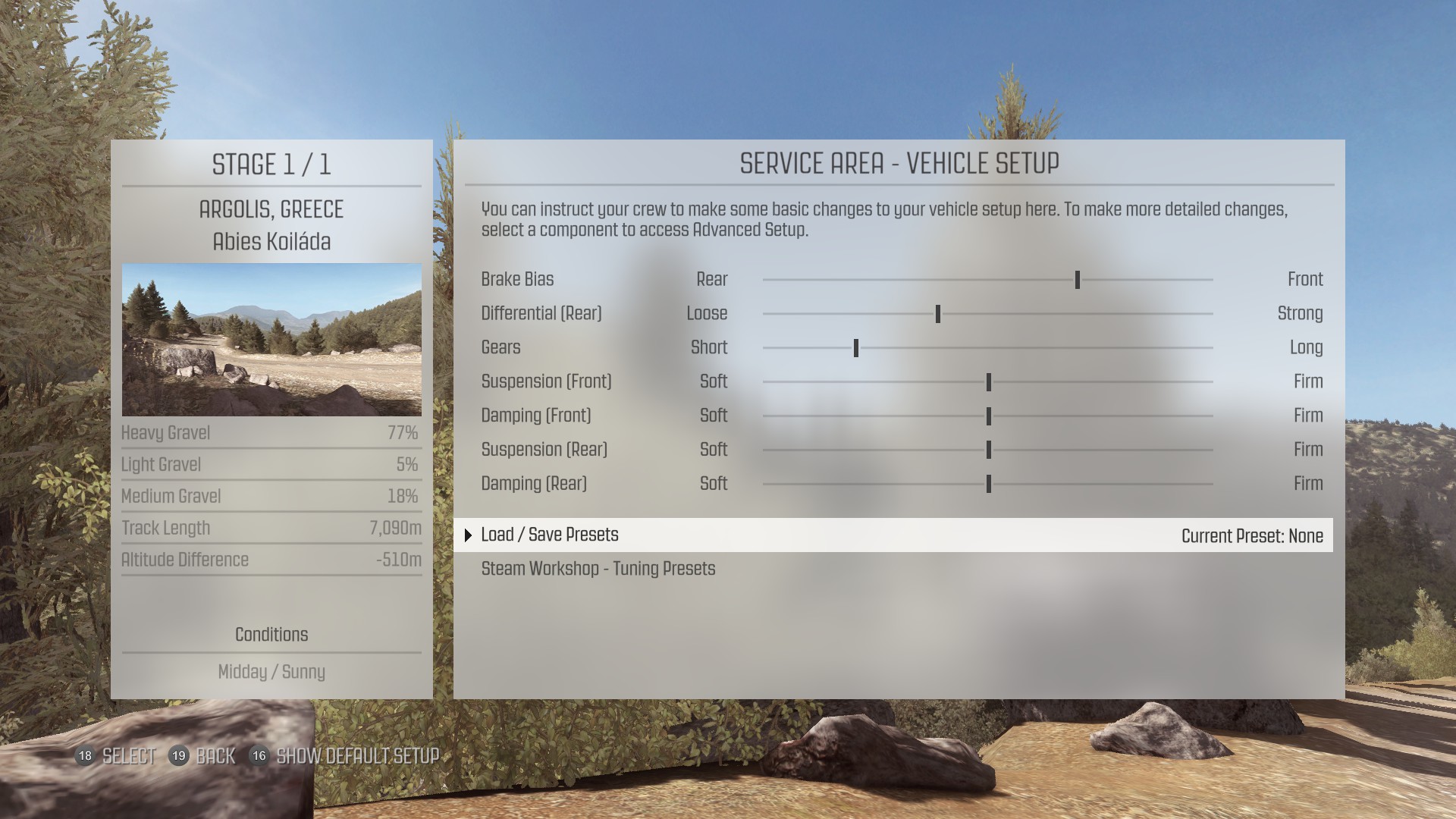
Terminology:
As the values may differ for each car I just use how many clicks the slider is away from left or right:
2fL means two clicks from left, 0fR means slider is all the way to the right.
- Brake Bias 3fR gives better stability under braking while inducing a bit of understeer.
- Differentials I leave at default all the time as I'd like to preserve the characteristics of the cars the way Codemasters intended it. Changing these can have a huge impact on how they handle.
- Gears are car dependant and I'll highlight the values used individually. They were set based on the stage Germany - Kreuzungsring Reversed, as the second straight after the start gives a good median value. Goal was to just reach the limiter in final gear at the blue arch over the road.
Suggested optimal gears are set for fully upgraded vehicles. - Suspension / Damping 5fL (in the middle) gives just enough bump tolerance to avoid bouncing off. The general idea is to stay in touch with the ground as much as possible without sacrificing stability.
- Ride Height 1fR (both front and rear) is crucial because of the curbs and ditches lining the roads. If you don't have it high enough hitting these will send your car flying across.
You need to unlock advanced vehicle settings (first upgrade for each car) to adjust ride height.
Now that we're at it I'll add my tarmac setup as well highlighting only the differences.
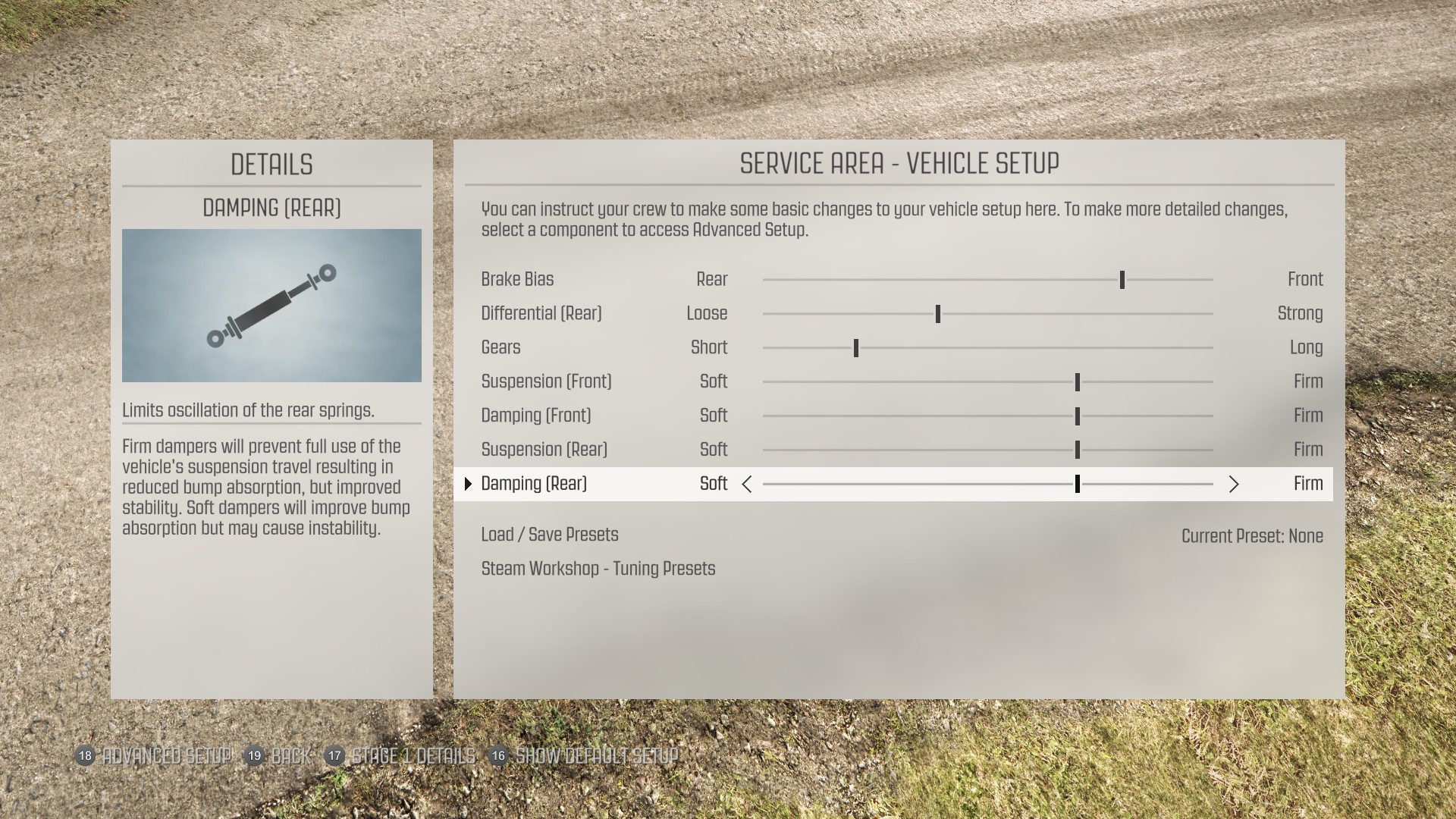
- Brake Bias 2fR gives even better stability under braking that is important on ice.
- Suspension / Damping 3fR makes them pretty firm which is fine on tarmac, as it's all about maximizing grip. Also there are way fewer bumps to contend on stages like that.
- Ride Height 1fL (both front and rear) lowers the center of mass which greatly increases stability.
1960's (FWD/RWD)
03:52.024 - Renault Alpine A110 (Gears 8fL / H-shifter / 990°) ★★★☆☆
04:11.106 - Mini Cooper S (Gears 0fR / H-shifter / 900°) ★☆☆☆☆
04:15.973 - Lancia Fulvia HF (Gears 12fL / H-shifter / 900°) ★★☆☆☆
These are more like antiques than classics. In some way it's not favorable to start the career in one of these but you don't have enough credits to buy any other rally car. FWD means you'll encounter excess understeer and on top of that they feel unresponsive, because the steering has a huge deadzone. Driving them in a straight line is more of a challenge than getting around turns. At first I thought there was something wrong with my wheel, but turned out it was specific only to this car class. Note that a negative linearity in advanced wheel settings gives you better precision around the middle (I use -4). On the other hand driving these is like a Rally School making you understand that slower is often faster, to brake in time and focus just staying on the road at first. Just don't give up as the following classes will offer a better driving experience and much more excitement.
With the latest content update Codemasters added the Alpine to this class, which feels out of place for numerous reasons. It's RWD and the achieved stage times are on par with the 1970's class. I get that they wanted to offer an affordable RWD option but this rendered the other cars useless. I believe it's a questionable design decision.
1970's (RWD)
03:51.174 - Opel Kadett GT/E 16v (Gears 12fR / H-shifter / 900°) ★★★☆☆
03:52.340 - Lancia Stratos (Gears 16fR / H-shifter / 900°) ★★★★★
03:53.124 - Fiat 131 Abarth (Gears 8fR / H-shifter / 1080°) ★★★☆☆
03:54.923 - Ford Escort Mk II (Gears 16fR / H-shifter / 900°) ★★★★☆
RWD is a huge step up in difficulty after the 1960's FWD cars but trust me this is where the fun starts. General rule when driving RWD vehicles is that you should control your turn and drift with the throttle. Handbrake is not needed at all, proper weight shifting before the turn can set up the car perfectly.
Here's a great tutorial video on rally driving techniques by Michael E.
Driving RWD cars might seem intimidating at first but stick with it and you'll get to love them. This is some proper old school rallying! Luckily the cars in this class offer a good variety so everyone can find the right choice. Keep in mind that if you manage to tame these beasts then the rest will seem less challenging.
1980's (RWD)
03:48.524 - Renault 5 Turbo (Gears 16fR / H-shifter / 720°) ★★★★☆
03:50.007 - BMW E30 M3 Evo Rally (Gears 8fL / H-shifter / 720°) ★★★★☆
03:51.607 - Ford Sierra Cosworth RS500 (Gears 0fL / H-shifter / 720°) ★★★☆☆
While the 1970's cars felt raw and rough around the edges, here everything is refined and that ensures an immersive RWD experience. These handle a bit more predictable and despite the increased engine power it's not that challenging to hold a smooth line through turns with them. Don't get me wrong you still need to have a gentle right foot, but there's just less drama about these cars.
Group B (4WD)
03:29.824 - Peugeot 205 T16 Evo 2 (Gears 12fL / H-shifter / 900°) ★★★★☆
03:33.108 - Lancia Delta S4 (Gears 0fL / H-shifter / 900°) ★★★★☆
03:36.091 - Audi Sport Quattro Rallye (Gears 0fR / H-shifter / 720°) ★★☆☆☆
03:38.791 - Ford RS200 (Gears 12fR / H-shifter / 720°) ★★★☆☆
03:40.741 - MG Metro 6R4 (Gears 20fL / H-shifter / 900°) ★★★★☆
The golden era of rally. This class was pretty much unrestricted where manufacturers could realize their wildest dreams. The cars were scary fast with engines up to 500 bhp making them perhaps too powerful for these kind of roads. DiRT Rally does a great job delivering an authentic experience with these fire spitting monsters. Also the sounds are terrific, you just got to love them.
It might be a good idea to test these in a custom event where full upgrades are applied prior to purchasing one, as the more modern 4WD cars are way more forgiving handling wise.
Group B (RWD)
03:51.040 - Lancia 037 Evo 2 (Gears 8fL / H-shifter / 810°) ★★★★★
03:52.657 - Opel Manta 400 (Gears 16fL / H-shifter / 900°) ★★★★☆
Buyer beware! These tail happy monsters are not for the faint-hearted. It's not easy to find joy in driving them, often it feels more like a constant struggle to stay on the road. It's just hard to put trust in them, can never be sure to be able to recover once getting sideways. Having that much power coupled with rear-wheel drive is just asking for trouble. However there are a few techniques that can soothe your pain. Short shifting helps keeping the torque under control, in general try to opt for using higher gears when possible, for the most part you can get away without using 1st gear at all. Left foot braking is a very useful tool to keep the car in balance, also be prepared to stay at half throttle quite a lot. Start driving this class only once you feel comfortable with the other RWD cars!
Group A (4WD)
03:39.674 - Lancia Delta HF Integrale (Gears 20fL / H-shifter / 720°) ★★★☆☆
03:42.991 - Subaru Impreza 1995 (Gears 12fL / H-shifter / 720°) ★★☆☆☆
03:48.007 - Ford Escort RS Cosworth (Gears 0fL / H-shifter / 720°) ★★★☆☆
Where's the thrill gone? You could ask righteously when driving one of these for the first time after switching over from a Group B car. It's still there just more subtle and you need to drive quite a bit to start appreciating the finer details. Engines are restricted to 'only' 300 bhp but on the other hand grip levels are noticeably higher. Rally has changed since Group B days and no matter if it's for the better or worse, we have to live with it.
F2 Kit Car (FWD)
03:43.507 - Peugeot 306 Maxi (Gears 4fL / Sequential / 720°) ★★★☆☆
03:44.624 - Seat Ibiza Kitcar (Gears 8fR / Sequential / 720°) ★☆☆☆☆
As good as FWD rally can get. You won't get the same excitement as with some of the RWD/4WD cars but don't judge too quickly. Of course you'll need to drive them like any other FWD vehicle, so brake early, use the handbrake for sharp turns, apply full throttle only once the car has lined up for exit. But on the other hand these got plenty of horsepower to compensate for the drivetrain type. Also they're fairly light, easy to throw around, so use that to your advantage as these reward aggressive driving.
R4 (4WD)
03:49.990 - Mitsubishi Lancer Evolution X (Gears 12fL / H-shifter / 720°) ★★★☆☆
03:50.807 - Subaru Impreza WRX STI Spec C R4 (Gears 0fL / H-shifter / 720°) ★★☆☆☆
The idea behind the R4 class was to bring rally closer to production vehicles. Unlike modern WRC cars these aren't loaded with tech and as a result more emphasis is placed on the driver's skill. They're equipped with a homologated R4-kit but the suspension is rather unsophisticated, tyres are basic. Because of the impressive straight line power it's tempting to carry a lot of speed into turns but the huge body mass can easily catch you off guard. Driving them may seem bland at first but there's something appealing about the purity of these cars.
2000's (4WD)
03:43.224 - Ford Focus RS Rally 2007 (Gears 0fL / Paddle-shifter / 540°) ★★★☆☆
03:44.791 - Ford Focus RS Rally 2001 (Gears 4fR / Sequential / 720°) ★★★★☆
03:45.224 - Subaru Impreza 2001 (Gears 8fR / Paddle-shifter / 720°) ★★☆☆☆
03:45.574 - Citroën C4 Rally (Gears 4fL / Paddle-shifter / 540°) ★★☆☆☆
Relive the fierce battle of the 2001 championship between Richard Burns and Colin McRae or fast forward time to 2007. Take your pick and you'll be in for a treat. Either dancing on ice in Monte Carlo, kicking up dust in Greece or jumping over Finnish crests, you'll be rewarded with a great driving experience, no matter which car you choose. Handling wise they're quite forgiving, the modern suspension ensures a smooth ride. The handbrake acts as a get out of jail free card, if you misjudge a turns angle, but it's up to you how much you want to (ab)use it.
2010's (4WD)
03:36.174 - Volkswagen Polo Rally (Gears 16fR / Paddle-shifter / 540°) ★★★☆☆
03:37.557 - Mini Countryman Rally Edition (Gears 16fR / Sequential / 540°) ★★☆☆☆
03:37.941 - Ford Fiesta RS Rally (Gears 16fR / Sequential / 540°) ★★★☆☆
03:40.307 - Hyundai Rally (Gears 16fR / Sequential / 540°) ★☆☆☆☆
The latest generation of rally cars included in the game shows exactly how they have evolved over time. As engine power has been restricted for a while the focus shifted to other parts like drivetrain and suspension. The modern sequential gearboxes just breeze through the gears, the difference is outstanding when compared to the older cars. This class can get close to the times set with Group B cars, but still unable to surpass those.
Pikes Peak (4WD)
02:52.776 - Peugeot 405 T16 PP (Gears 0fR / H-shifter / 720°) ★★★☆☆
02:56.159 - Peugeot 205 T16 PP (Gears 20fL / H-shifter / 900°) ★★★★★
03:00.292 - Audi Sport Quattro S1 PP (Gears 4fR / H-shifter / 720°) ★★☆☆☆
Ride Height should be lowered to 0 (in the middle) for the mixed surface.
Pikes Peak being a hill climb is a special kind of event in DiRT Rally and features purpose built variants of rally cars. Custom spoilers are added to provide that extra bit of downforce required for these runs up the hill. Engines are extremely powerful and as a result keeping these monsters under control can be quite tricky.
Pikes Peak Modern (4WD)
Peugeot 208 T16 PP (Gears 0fR / Paddle-shifter / 540°) ★★★★☆
Introduced with the latest content update it's an interesting addition to the game, only available for asphalt surface in custom events. Loeb's record setting Pikes Peak car offers an unmatched 1:1 power-to-weight ratio, that makes keeping this beast under control a real challenge, but also a thrill ride. Problem is that at this point it is where the cracks start to appear on the handling model on asphalt, introduced with the V2 pass. Unlike the real-world counterpart, the 208 in game keeps sliding all over the place. Setting up the vehicle for extreme understeer with negative camber and toe does help to a certain extent, but it still won't handle anything like the real one, that just grips like a DTM car. Anyway with the 208 PP being in a league of it's own and nothing to compare to, I just leave this here as an honorable mention.
Overall Leaderboard
03:29.824 - Peugeot 205 T16 Evo 2 / Group B (4WD) ★★★★☆
03:33.108 - Lancia Delta S4 / Group B (4WD) ★★★★☆
03:36.091 - Audi Sport Quattro Rallye / Group B (4WD) ★★☆☆☆
03:36.174 - Volkswagen Polo Rally / 2010's (4WD) ★★★☆☆
03:37.557 - Mini Countryman Rally Edition / 2010's (4WD) ★★☆☆☆
03:37.941 - Ford Fiesta RS Rally / 2010's (4WD) ★★★☆☆
03:38.791 - Ford RS200 / Group B (4WD) ★★★☆☆
03:39.674 - Lancia Delta HF Integrale / Group A (4WD) ★★★☆☆
03:40.307 - Hyundai Rally / 2010's (4WD) ★☆☆☆☆
03:40.741 - MG Metro 6R4 / Group B (4WD) ★★★★☆
03:42.991 - Subaru Impreza 1995 / Group A (4WD) ★★☆☆☆
03:43.224 - Ford Focus RS Rally 2007 / 2000's (4WD) ★★★☆☆
03:43.507 - Peugeot 306 Maxi / F2 Kit Car (FWD) ★★★☆☆
03:44.624 - Seat Ibiza Kitcar / F2 Kit Car (FWD) ★☆☆☆☆
03:44.791 - Ford Focus RS Rally 2001 / 2000's (4WD) ★★★★☆
03:45.224 - Subaru Impreza 2001 / 2000's (4WD) ★★☆☆☆
03:45.574 - Citroën C4 Rally / 2000's (4WD) ★★☆☆☆
03:48.007 - Ford Escort RS Cosworth / Group A (4WD) ★★★☆☆
03:48.524 - Renault 5 Turbo / 1980's (RWD) ★★★★☆
03:49.990 - Mitsubishi Lancer Evolution X / R4 (4WD)
03:50.007 - BMW E30 M3 Evo Rally / 1980's (RWD) ★★★★☆
03:50.807 - Subaru Impreza WRX STI Spec C R4 / R4 (4WD)
03:51.040 - Lancia 037 Evo 2 / Group B (RWD) ★★★★★
03:51.174 - Opel Kadett GT/E 16v / 1970's (RWD) ★★★☆☆
03:51.607 - Ford Sierra Cosworth RS500 / 1980's (RWD) ★★★☆☆
03:52.024 - Renault Alpine A110 / 1960's (RWD) ★★★☆☆
03:52.340 - Lancia Stratos / 1970's (RWD) ★★★★★
03:52.657 - Opel Manta 400 / Group B (RWD) ★★★★☆
03:53.124 - Fiat 131 Abarth / 1970's (RWD) ★★★☆☆
03:54.923 - Ford Escort Mk II / 1970's (RWD) ★★★★☆
04:11.106 - Mini Cooper S / 1960's (FWD) ★☆☆☆☆
04:15.973 - Lancia Fulvia HF / 1960's (FWD) ★★☆☆☆
02:52.776 - Peugeot 405 T16 PP / Pikes Peak (4WD) ★★★☆☆
02:56.159 - Peugeot 205 T16 PP / Pikes Peak (4WD) ★★★★★
03:00.292 - Audi Sport Quattro S1 PP / Pikes Peak (4WD) ★★☆☆☆
Final Thoughts
Thank you for having a look at my guide and any feedback is appreciated! This is my first ever so go easy on me. I plan on updating it as additional contents get released for the game but no promises.
Thanks goes to Codemasters for creating this awesome game. Even bigger thanks to Michael E. for contributing with his comprehensive tutorial video. Credit goes to Karik for collecting transmission type and degrees of rotation info.
I wish you all lot of fun with DiRT Rally! Cheers.
- DiRT Rally: Detailed Tuning Guide★ 5 (821)21k views1.5k ♥27 minUpdated Oct 20, 2015
- Dirt Rally Vehicle Tuning - Basic and Advanced Techniques v.1.09★ 5 (660)20k views1.3k ♥36 minUpdated Jan 29, 2025
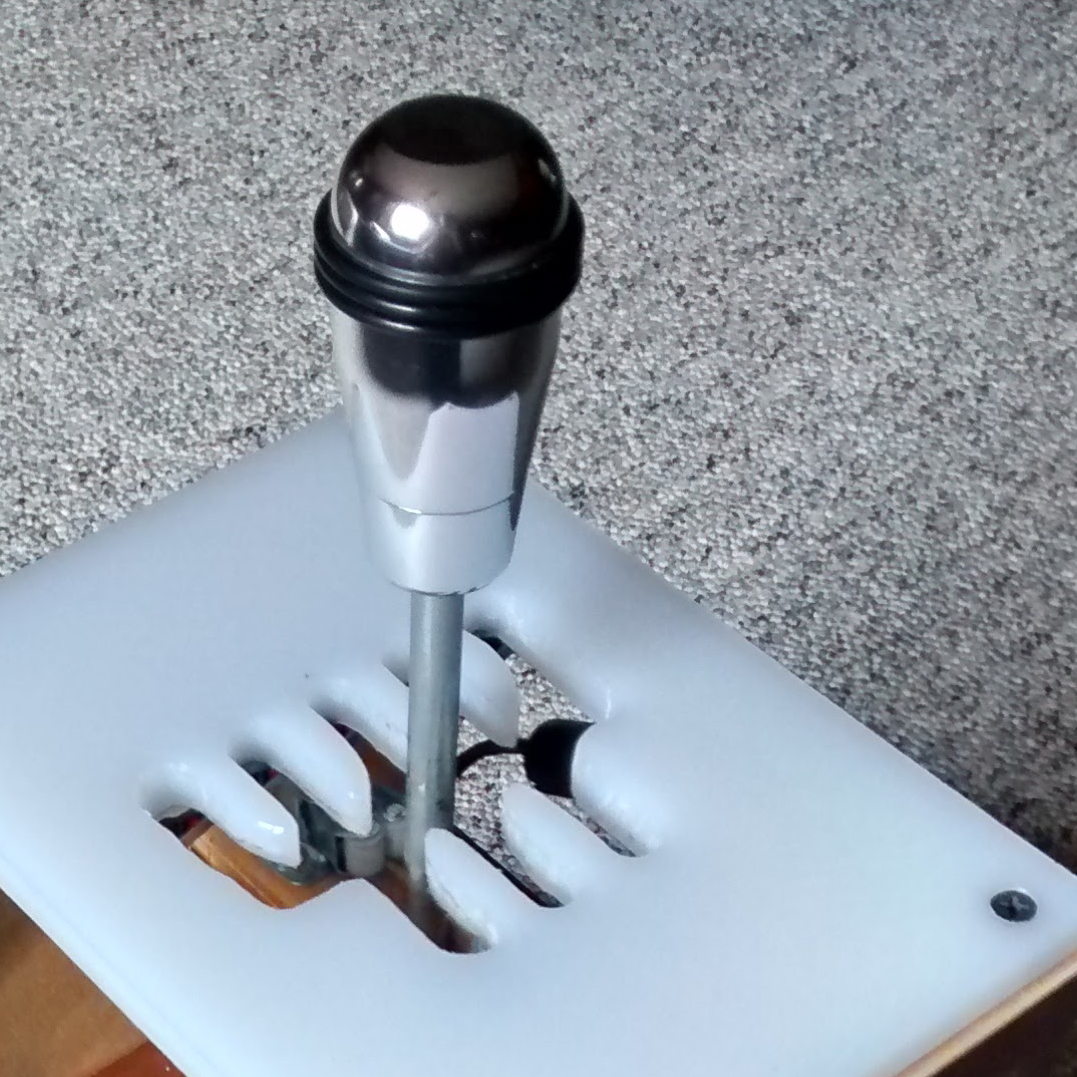
- DIY H-Shifter★ 5 (334)18k views448 ♥8 minUpdated Mar 2, 2020
- Great Mods for DiRT Rally★ 5 (208)18k views325 ♥6 minUpdated Feb 16
- Немного о настройках болида в Dirt Rally★ 5 (662)14k views956 ♥15 minRussianUpdated Jan 18, 2021
- DiRT Rally Real Life Locations★ 5 (627)13k views402 ♥2 minUpdated Jan 12, 2021




- Upgrading to PremiumTeam Fortress 2★ 5 (20k)1441k views11k ♥6 minUpdated May 11, 2022
- No More Room in Hell Official ManualNo More Room in Hell★ 5 (2.8k)569k views2.1k ♥29 minUpdated Apr 22, 2019
- NMRiH Community Hosting GuidesNo More Room in Hell★ 5 (526)351k views653 ♥1 minUpdated Aug 10, 2022
- ULTIMATE GUIDE FOR GAME DEV TYCOONGame Dev Tycoon★ 5 (5.8k)326k views10k ♥4 minUpdated 23 Jan, 2014
- How to 'Git Gud' Soon™MORDHAU★ 5 (2k)318k views3k ♥68 minUpdated Nov 16, 2024
- Лучшие кооперативные игры SteamPAYDAY 2★ 5 (1.5k)315k views2.1k ♥56 minRussianUpdated Apr 27, 2025





This guide was created by its original author on the Steam Community. Are you the author and want it removed? Request removal.