Empire Total War - Guide to Factions
Introduction
Land Warfare
European Nation Overview
The early period covers the first two levels of government (up to Governor's’ Residence) and military buildings (to Barracks), plus available technology. Infantry will be composed of Militia, supplemented with Line Infantry from large cities which will be the deciding factor of battles. Pikemen are still useful until bayonets arrive to enable standard infantry to replace them. Cavalry starts with utilitarian Regiment of Horse and Provincial Cavalry - all round useful, but not decisive. However, technology unlocks Dragoons and Carabineers (nations get one or the other) which give an extra tactical option. Some nations obtain lancer cavalry which can be decisive in this period before advanced bayonets. In addition to their melee value, they are fast cavalry. Artillery is initially static, a defensive weapon, but some slow mobile cannons appear. Battles will be more often decided by quantity rather than quality.
In the middle period, covering the next two levels of government and military buildings (representing the highest level for minor provinces), more specialised unit types are introduced. This brings more tactical variation to army composition, and national differences become more pronounced. Line infantry gain advances in firing drill and bayonet, and Grenadiers provide a superior option, both in melee and shooting, bringing some variation to the Line of Battle. Cavalry forces become more diverse and important, with the introduction of light cavalry Hussars, Light Dragoons, Heavy Cavalry and Cuirassiers. These provide more option for rapid flanking and artillery destruction than in the earlier period. Provincial cities can now produce core units allowing for bigger armies: Line Infantry, Regiment of Horse, Dragoons and Lancers. Artillery has become more diverse and mobile (some drawn by teams of horses) and can be used tactically in offensive battles.
The late period is the last three levels of major province buildings, the last being nation-unique levels which only bring unique units. This period sees the culmination of “modern” warfare in the form of elite Guards (foot and mounted), Light Infantry and Riflemen. Mounted Guards are generally only available to Monarchies and many of these late troops have limited recruitment areas, generally "home" regions. The full set of troop types threaten the dominance of the line infantry on the battlefield and combat will be more dynamic and flowing as a result. Artillery is at its peak in terms of power and sees the introduction of exotic weapons like puckle guns and rockets.
The colonies generally comprise anywhere that isn’t India or Europe. Generally, early period units are region specific, and then in the mid-period units transition to the factions’ European template. All factions can recruit Colonial Militia, Colonial Line Infantry and Colonial Dragoons in the early period. Austria, France, Spain and Sweden can also recruit Colonial Light Cavalry a rare melee cavalry unit in the colonies. Additionally, in America, Mounted Tribal Auxiliary, Native Warrior Auxiliary, Native Bowmen Auxiliary and Native Musketmen Auxiliary provide some opportunities for different tactics as these units are better at hiding and skirmishing. In Africa, African Native Infantry provides a cheap alternative to Colonial Line.
Once the required research is acquired, all factions but France and Spain can recruit Colonial Light Infantry from the usual buildings, while France, Spain and Great Britain obtain rifle-armed Skirmishers in America that are some of the best light forces in the game.
In India, Company Infantry, Company Dragoons and Company Cavalry, available to all factions, mirror standard regiments in Europe, while Sepoys fill the Militia spot. In the middle period, Great Britain gets the unique East India Company Lancers, while France, Great Britain and the United Provinces can recruit Native Indian Cavalry lancers.
Austria
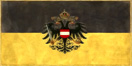 Austria’s Line Infantry units are larger but inferior in performance than normal. They have superior grenadiers recruited from Hungary. Light Infantry is a strength, recruiting Jaegers from earlier buildings, double-barrelled Grenzers from Croatia and the silent Windbusche Jaegers instead of Riflemen. Overall, this faction has an advantage in light infantry.
They do not get Regiment of Horse, and recruit Carabineers instead of Dragoons. Their Uhlans are superior lancers and their only Hussars come from Hungary but are better than average. Cuirassiers are their standard heavy cavalry unit. Overall, this faction has an advantage in light horse forces.
France
 France’s Line Infantry is superior in melee stats without penalty. They have early access to line infantry in the Regiments Etrangers, and unique superior units from Alsace and France. Light infantry is recruitable earlier than normal in the form of Chasseurs a Pied. Guards are a strong point with 4 unique units and recruitable earlier than any other faction. Overall, France has strong line and elite infantry units.
This faction cannot recruit Regiment of Horse, either Dragoon unit or Hussars. Instead they rely on Carabineers and Chasseurs a Cheval, light horse than can shoot mounted - and recruitable early. They recruit for Cuirassiers for heavy cavalry. Finally, they are the only European faction with unique Guard artillery with heavier firepower. Overall, their cavalry is less diverse, but their light forces are general purpose.
Great Britain
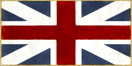 Britain’s Line Infantry reloads faster and defends better than the norm, for an increased cost. In addition they have a unique line unit, the 33rd Foot. They can recruit two unique grenadier units in addition to the normal unit. They have a unique light infantry that is recruitable earlier, and a unique rifle unit. Overall, their infantry is pretty standard with a handful of unique units that won’t alter tactics.
This faction does not have access to lancer cavalry or hussars. They have a unique Dragoon unit and a unique Guard unit. They recruit Heavy Cavalry not Cuirassiers. Overall, cavalry is not a strong point of this faction.
Poland-Lithuania
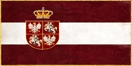 In terms of infantry, Poland Lithuania only varies from the norm with the addition of the unique Guard Grenadiers. This arm of the military is not where this faction's focus is.
Cavalry is a strong point of this faction, with regional horse archers, Tatars and Kalmuks, supplementing the standard units. They recruit Dragoons not Carabineers, and Winged Hussars replace other heavy cavalry options, the best cavalry unit in the game.
Prussia
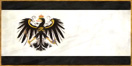 Prussia’s Line Infantry is arguably the best in game, strong in shooting and melee. In addition to standard light infantry forces, they can recruit superior Prussian Jaegers and the over-sized irregular Frei-korps. They are one of two factions to recruit Superior Line, which sits between regular and elite infantry giving a mid-period advantage. Prussia is a leading infantry nation in this period, with strong orthodox style units.
In terms of cavalry, Prussia’s only variations are late period unique lancers and hussars. They recruit Dragoons and Cuirassiers. Overall, cavalry is neither an advantage or a disadvantage for this faction, and they have all the unit types available.
Russia
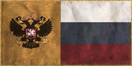 Russia is atypical of Europeans nations, and many early units are faction specific. In place of Pikemen and Militia, they have superior militia units recruitable from large and small provinces, giving them an early advantage. Their Line Infantry is worse at shooting than normal but great at melee. They have a unique hand mortar unit to supplement standard grenadiers, and they can recruit Skirmishers in Europe, the only faction to do so. Their unit guard unit has extraordinary melee statistics. Overall, Russia’s infantry has a strong melee bias with good supporting units.
Their cavalry is a strength, recruiting regional horse archers and superior militia cavalry in place of Provincial Cavalry. They opt for Dragoons, but have no lancer cavalry, instead being able to recruit unique light cavalry Cossacks and superior Cossack Ataman Cavalry in addition to Hussars. For heavy cavalry they have Cuirassiers, and in addition to standard guard cavalry they have a unique unit. Russia’s cavalry is diverse, but with strong light options to support a melee-oriented infantry.
Spain
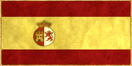 Spain recruits standard Line Infantry and has access to early line in the form of the Irish Brigade. Light forces are available early for this faction: two irregular units offering light infantry type tactics without needing to research it (at the expense of standard Light Infantry). In addition, their riflemen replacement, Cazadores, are recruitable from less developed provinces than even standard Light Infantry require. They have a unique Guard unit. Overall, Spain has a distinct advantage in irregular/light infantry tactics in the early game since their units do not require the Light Infantry research.
Spain has some gaps in their cavalry roster, with no Hussars or Lancers. They have Carabineers instead of Dragoons and Cuirassiers as heavy cavalry. This faction’s cavalry is a tactical limitation with no strong light cavalry forces, but otherwise they have good options.
Sweden
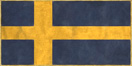 Sweden’s infantry is to the standard with the addition of Superior Line that bridges Line and Guards giving a mid-period advantage. Cavalry is where Sweden’s advantage is, having enlarged versions of Regiment of Horse, Dragoons, Light Dragoons and Heavy Cavalry allowing for impressive formations. They have no lancer cavalry, a superior light cavalry unit recruited from Finland in place of Hussars, and can recruit Heavy Cavalry earlier than anyone else. This faction can be expected to dominate cavalry combat in the middle period.
United Provinces
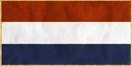 This faction has standard Line Infantry but obtains two superior unique line units in the middle period, one with melee focus, the other shooting. They have a single unique guard unit. Infantry is neither an advantage or a disadvantage of this faction.
In terms of cavalry, the United Provinces recruit Dragoons but have no lancers or heavy cavalry. They have a single unique guard unit. Cavalry is a weakness of this faction.
United States
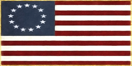 The United States is only available through the Road To Independence campaigns which starts from 1783 and so technological progressions are not as applicable. Being based in the Americas this faction does not have Colonial units instead can recruit the usual units in that region.
Infantry is the stronger element of this faction's military. Their Minutemen are superior Militia, the Legion of the United States are superior Light Infantry and they have several unique Line, Light and Elite units. Unusually, they have an elite unit recruitable from a naval building, US Marines. They do not have riflemen, instead they have rifle-armed irregulars (Long Rifle Men).
Cavalry is a weakness of this faction, with no regular Dragoons (or Carabineers), no Lancers, no Hussars and no Heavy Cavalry/Cuirassiers. This leaves just Provincial Cavalry, Regiment of Horse, Light Dragoons and Household Cavalry. There are two unique Light Dragoon units.
Non-European Nation Overview
Ottoman Empire
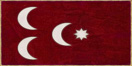 Overall, the Ottomans start technologically backward, yet with a large domain. Historically, they had a strong bureaucracy but had let tradition stunt their innovation. In this period, they had to adapt quickly or be overrun by hungry European nations. During the game, they go through a military reform that sees them transition from a renaissance style of fighting to a modern one. They generally have an early cavalry and artillery advantage over Europe.
In the early period, their infantry is a mix of melee, militia and irregular troops. Their first line unit, Isarelys, is not on par with European versions but isn’t completely outclassed in this period. They benefit from good local skirmishers in Kurdish and Afghan Hillmen that can provide decent light infantry tactics. Cavalry is light but mixed with carbine-wielding Delis, Camel Gunners, Tatars and Camel Nomads. Artillery is fixed but powerful, with the Organ Gun being a precursor to canister shooted cannons, and great on defence.
The middle period sees the arrival of Jannissaries armed with muskets, grenades and hand mortars. These are elite units who don’t learn line tactics like square or fire-by-rank, however their stats put them above European line infantry. Armies will have these units as a back-bone supported by militias and irregulars. Dragoons and strong light cavalry appear, in addition to 24lb artillery and howitzers, more powerful than those in Europe.
The late period sees the introduction of European style infantry in Nizam-I Cedit units: Infantry, Light Infantry, and Mounted (dragoons). These will replace Janissaries as they adopt firing drills that increase their effectiveness. Several heavy cavalry units appear giving the faction the full set of tactical options available. They do not obtain Foot Guard equivalent units, but do recruit the large 64lb cannons.
Maratha Confederacy
 The Maratha Confederacy is a faction that fights in a very different style to the European factions. They have very little technological progression in their infantry and they do not obtain firing drills or elite guards. However, they have a strong melee focus, have strong cavalry, artillery and elephants.
Most of their infantry is available in the early period with the only later development being cavalry and artillery. They can recruit reasonable line, melee and militia units from the first level, and obtain better line and melee troops from the Sikh region. Cavalry options in this period include carbine horsemen, lancers, camel melee and camel gunners.
In the middle period, they can recruit better lancers and decent light cavalry, while minor provinces get access to all infantry types in addition to two unique cavalry units, Barawardi (Light) and Rajput Zamindar (Heavy).
Finally, in the later period, they can recruit heavy Sipahi cavalry, elephants, rockets and other large artillery. Cavalry is a strength of this faction.
Naval Warfare
The representation of navies in the game is that of the existing dominance of traditional naval powers, the Dutch and Spanish, with progression through the game representing technological advancements that level the playing field. Historically, naval progression was subtle in the 18th century and 100-gun ships existed in the 1600s.
Navies perform a variety of roles: combat against enemy fleets, transporting troops, blockading ports and trading. The need to defeat other fleets leads to ships of the line in battlefleets, while transport and blockades can be fulfilled by cheaper auxiliary ships. The trade dynamic creates a need for defence and the opportunity for fleets to generate money through prizes.
British ships have better reload rates, hull strength and morale than the norm for minimal extra cost. They can recruit the unique Heavy 1st rate HMS Victory.
Some Russian ships have slight changes to the norm, either increased or decreased cost or lowered morale without clear pattern. They cannot recruit standard 1st rates.
Spain can recruit Galleons from every port type giving them an early ship of the line, and generally have slightly reduced recruitment and upkeep costs to all their ships.
The United Provinces can recruit Fluyts from every port type giving them an early ship of the line.
The Maratha Confederacy cannot recruit Galleys, Razees, Rocketships, Heavy 1st rates or Steamships.
The Ottoman Empire miss out on 6th rates, Razees, Heavy 1st rates and Steamships, but get access to the Xebec.
Research
The research paths available are organised around strategic elements that mean each faction can benefit from one focus or another.
The second stream can be called Economic Reform and enable the construction of trade docks and resource plantations. This is primarily useful to factions with overseas possessions like Great Britain, France, Spain and the United Provinces.
Units and Government Types
- Cossack Cavalry (Russia)
- Cossack Ataman Cavalry (Russia)
- Cossack Infantry (Russia)
- Mamelukes (Ottoman)
- Tatars (Ottoman)
- Garde a Cheval (Russia)
- Garde du Corp (United Provinces)
- Garde du Corps (France, Prussia)
- Guardias de Crop (Spain)
- Horse Guards (Great Britain, United Provinces)
- Life Guards of Horse (Sweden)
- Life Guards (Great Britain)
- Household Cavalry (Austria, Poland-Lithuania, Russia)
- Mamelukes (Ottoman)
- Tatars (Ottoman)
- Swiss Guard (France)
- Walloon Guards (Spain)
- Siemenovski Foot Guards (Russia)
- Cossack Cavalry (Russia)
- Cossack Ataman Cavalry (Russia)
- Cossack Infantry (Russia)
- Winged Hussars (Poland-Lithuania)
- Gorodskiye Streltsy (Russia)
- Viborniye Streltsy (Russia)
- Guards (Austria, Great Britain, Poland-Lithuania, Russia)
- Maison du Roi (France)
- Life Guard (Prussia)
- Guardias de Infanteria (Spain)
- Life Guards of Foot (Sweden)
Further Information
- The Proper Use of Dragoons★ 5 (722)45k views448 ♥5 minUpdated Jul 4, 2024
- Empire II: Total War: A Pool of Suggestions★ 5 (1k)44k views309 ♥17 minUpdated Mar 12, 2016
- Graphics settings High and Very High★ 5 (391)43k views505 ♥1 minUpdated Apr 12, 2021
- A quick and general Guide To Empire Total War★ 5 (699)43k views1k ♥42 minUpdated Feb 20, 2015
- Why CA should make Empire 2: Total War★ 5 (1k)40k views184 ♥3 min
- Warfare in the 1700s★ 5 (528)31k views662 ♥15 min




- Upgrading to PremiumTeam Fortress 2★ 5 (20k)1441k views11k ♥6 minUpdated May 11, 2022
- No More Room in Hell Official ManualNo More Room in Hell★ 5 (2.8k)569k views2.1k ♥29 minUpdated Apr 22, 2019
- NMRiH Community Hosting GuidesNo More Room in Hell★ 5 (526)351k views653 ♥1 minUpdated Aug 10, 2022
- ULTIMATE GUIDE FOR GAME DEV TYCOONGame Dev Tycoon★ 5 (5.8k)326k views10k ♥4 minUpdated 23 Jan, 2014
- How to 'Git Gud' Soon™MORDHAU★ 5 (2k)318k views3k ♥68 minUpdated Nov 16, 2024
- Лучшие кооперативные игры SteamPAYDAY 2★ 5 (1.5k)315k views2.1k ♥56 minRussianUpdated Apr 27, 2025




This guide was created by its original author on the Steam Community. Are you the author and want it removed? Request removal.