The Hunter Call of the Wild
1. Getting Started
Initial Setup:
Beginners will find themselves with a few free weapons, like the .270 Stradivarius rifle, and a basic understanding of the game's interface.
Learning the Map:
Familiarize yourself with the layout of the chosen map, including outposts, which serve as safe zones and fast travel points.
Animal Behavior:
Understand how animals move, react to sound and sight, and their typical drinking and feeding patterns.
Shot Placement:
Learn the importance of accurate shot placement for ethical and effective hunting, and how to use the rangefinder to estimate distance.
Using the Binoculars:
Binoculars help in spotting animals from a distance and filtering out ambient noise, making it easier to track them.
Tents:
Tents act as mobile outposts, providing rest and resupply options, and can be set up almost anywhere.
-
• 2. Hunting Strategies:
Patience is Key:
Don't rush into hunting; walk slowly, use cover, and be mindful of your visibility to animals.
Water Zones:
Hunting near water sources is often a good strategy, especially for beginners, as animals frequently visit these areas to drink.
Sound Management:
Pay attention to the sound meters, as noise can easily alert animals and ruin a hunt.
Focus on One Animal:
Initially, focus on a single species to improve your hunting skills and knowledge of its behavior.
Multiplayer:
Consider playing with others online, as they can offer guidance and help locate hunting zones.
-
• 3. Progression and Resources:
Earning Money and XP:
Hunt and harvest animals to earn money for new equipment and experience points to level up your skills.
Purchasing Equipment:
Visit outposts to access the store and buy new weapons, ammo, and other gear.
Equipping Items:
Remember to equip purchased items from your storage to your player inventory before using them.
Weapon Proficiency:
Practice with different weapons and ammo types to find what works best for you.
Skills and Perks:
Invest in skills and perks that align with your playstyle to enhance your hunting abilities.
-
• 4. Advanced Tips:
Utilize the Rangefinder: Get a rangefinder as soon as possible to improve your shot accuracy.
Master Camouflage: Learn to use camouflage and understand how it affects your visibility.
Study Animal Tracks: Learn to identify and interpret animal tracks to locate and predict their movement.
Experiment with Different Maps: Explore various maps to discover new hunting grounds and animal species.
• By following these tips and practicing regularly, you can develop your skills as a hunter!
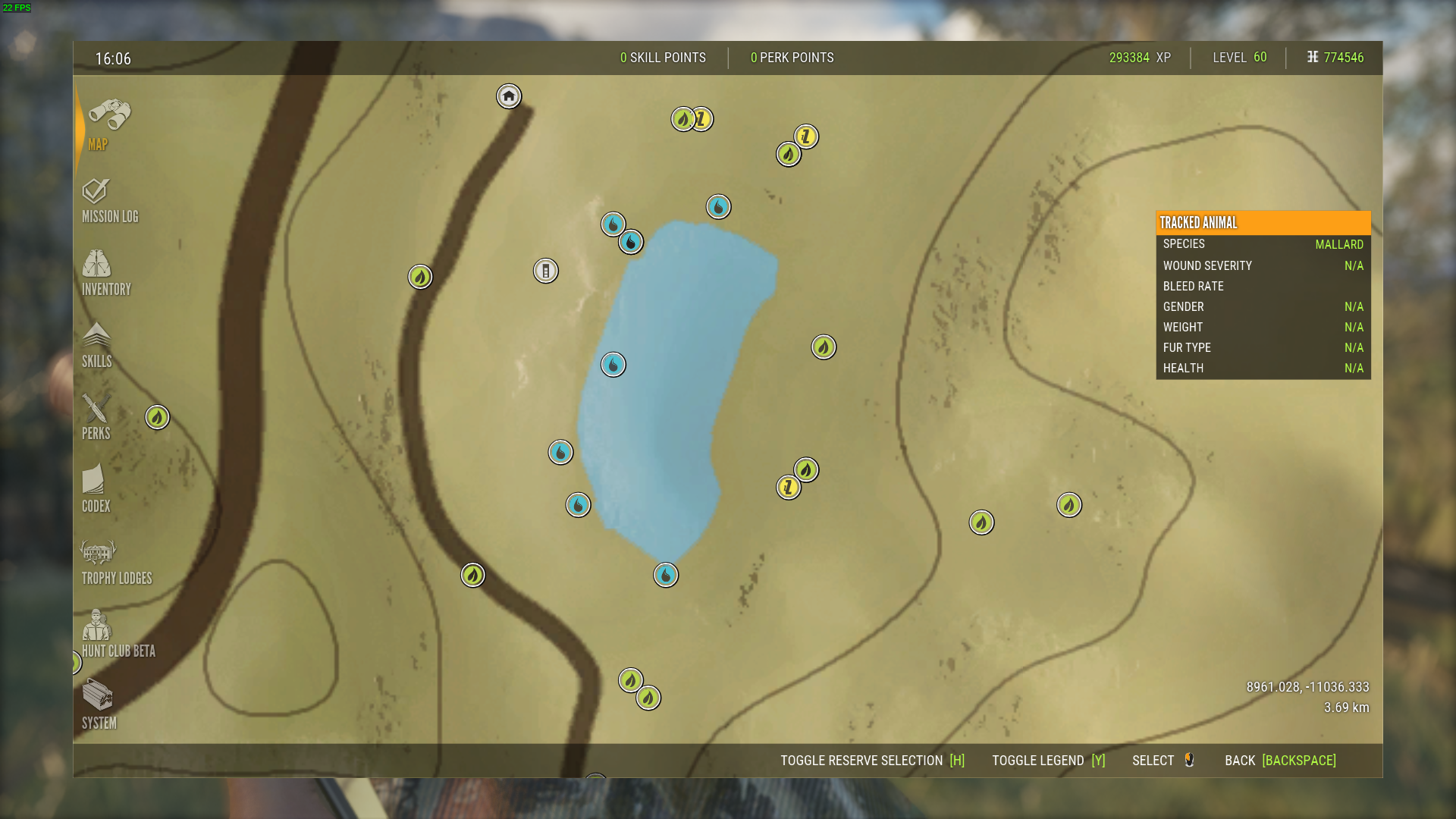
- Animal Location Maps (Parque update!)★ 5 (1.7k)84k views4.4k ♥1 minUpdated 1 Jan, 2019
- NEW Animal Location Maps (Hi-Res) - INTISUYU PERU UPDATE!★ 5 (1.6k)55k views4.3k ♥1 minGermanUpdated 24 Jun
- Limit FPS using only Nvidia Control Panel42k views53 ♥1 minUpdated 24 Nov, 2024
- ALL NEED ZONE TIMES FOR EVERY ANIMAL (SUNDARPATAN NEPAL)★ 5 (754)36k views2k ♥19 minUpdated 28 Jun, 2024
- Beginner's Guide: New Players, New Hunters★ 5 (405)24k views681 ♥33 minUpdated 3 Jan, 2023
- Trophy Ratings & Fur Types★ 5 (800)24k views2k ♥36 minUpdated 10 Jun




- Upgrading to PremiumTeam Fortress 2★ 5 (20k)1441k views11k ♥6 minUpdated May 11, 2022
- No More Room in Hell Official ManualNo More Room in Hell★ 5 (2.8k)569k views2.1k ♥29 minUpdated Apr 22, 2019
- NMRiH Community Hosting GuidesNo More Room in Hell★ 5 (526)351k views653 ♥1 minUpdated Aug 10, 2022
- ULTIMATE GUIDE FOR GAME DEV TYCOONGame Dev Tycoon★ 5 (5.8k)326k views10k ♥4 minUpdated 23 Jan, 2014
- How to 'Git Gud' Soon™MORDHAU★ 5 (2k)318k views3k ♥68 minUpdated Nov 16, 2024
- Лучшие кооперативные игры SteamPAYDAY 2★ 5 (1.5k)315k views2.1k ♥56 minRussianUpdated Apr 27, 2025





This guide was created by its original author on the Steam Community. Are you the author and want it removed? Request removal.